Janka hardness
1,180 lbf
Harder than 47% of the 571 species with a laboratory test.
At a glance
- Janka hardness
- 1,180 lbf
- USDA Wood Handbook 2021 (FPL-GTR-282) Table 5-3b
- Density
- 39.8 lb/ft³
- USDA Wood Handbook 2021 (FPL-GTR-282) Table 5-3b
- Volumetric shrinkage
- 14.0%
- USDA Wood Handbook 2021 (FPL-GTR-282) Table 4-3
- Availability · editorial
- Widely stocked
Working characteristics need separate confirmation; this record has no species-specific published description.
Missing evidence: species-specific working description, species-specific durability description.
Shrinkage is green to ovendry, not seasonal movement. Availability is an editorial guide, not a stock check.
Sourced wood and tree images
Each image names its author, its licence, and the page it came from.
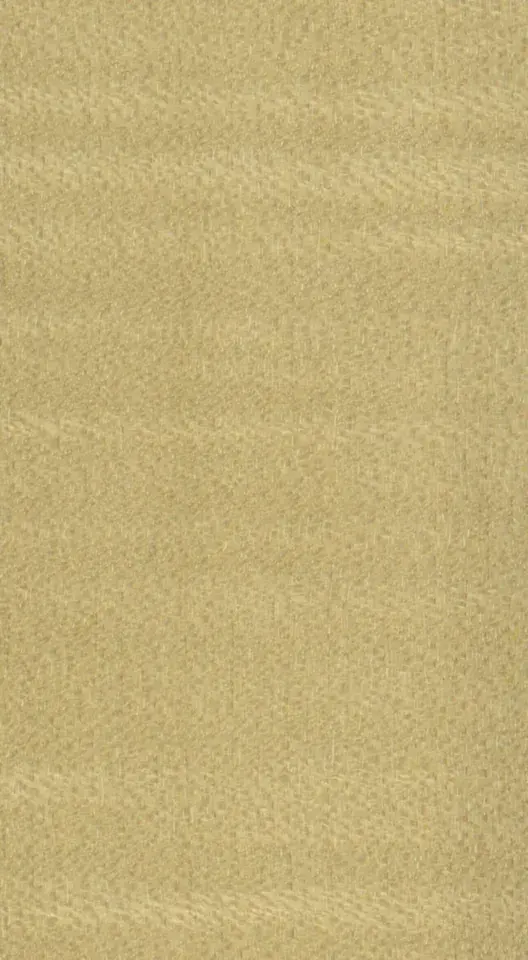
Woodgenus, not this speciesCirad · Public domain · Cirad xylothèque via Wikimedia Commons 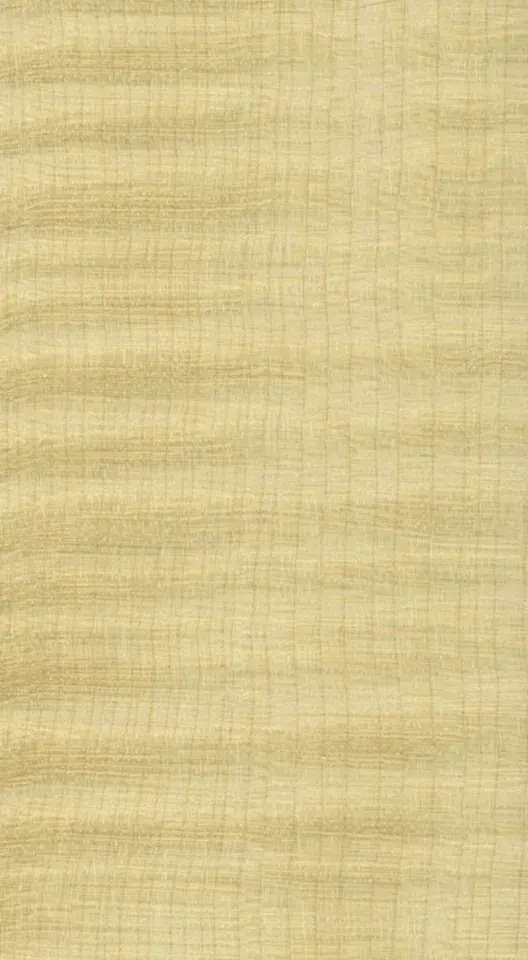
Woodgenus, not this speciesCirad · Public domain · Cirad xylothèque via Wikimedia Commons 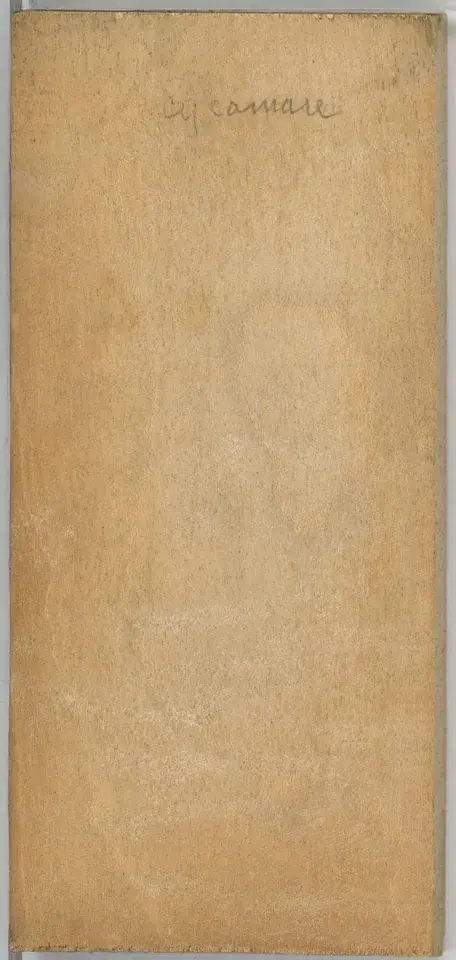
Woodgenus, not this speciesCirad · Public domain · Cirad xylothèque via Wikimedia Commons 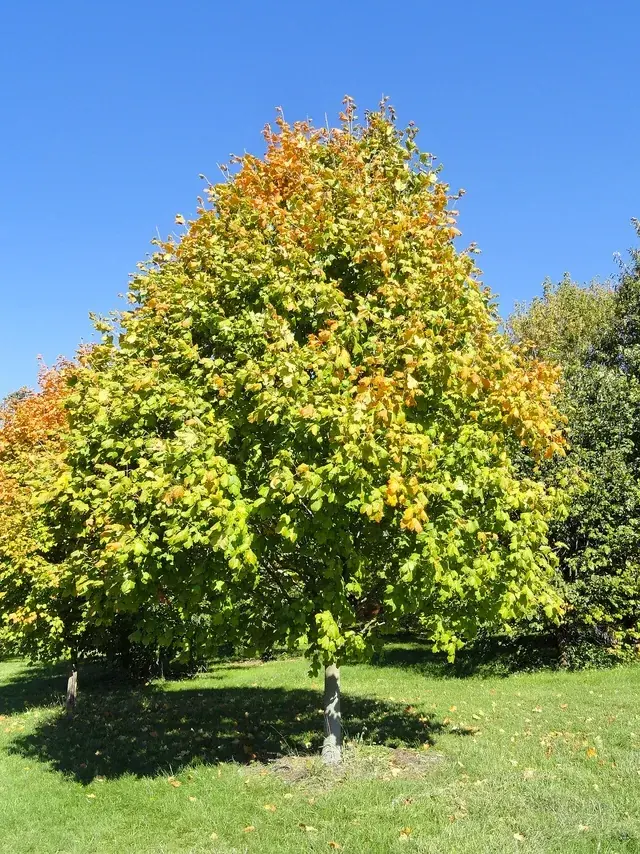
TreeDaderot · CC0 · Wikidata via Wikimedia Commons 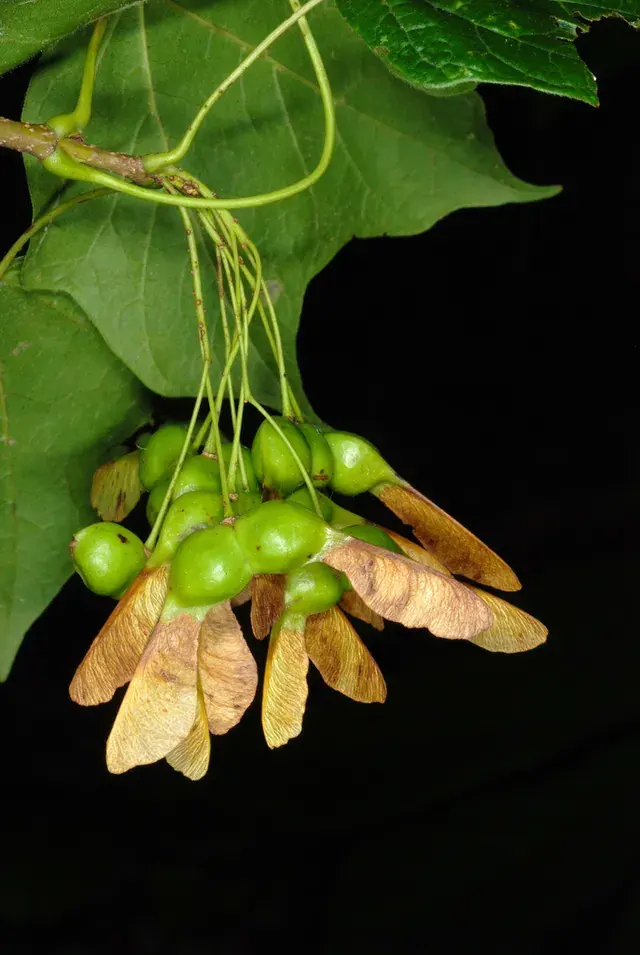
TreeDouglas Goldman · CC BY-SA · iNaturalist 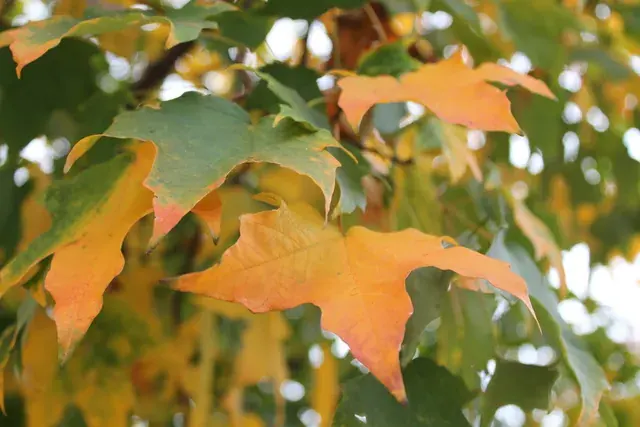
TreeElvert Barnes · CC BY-SA · iNaturalist


Geographic distribution
Where it grows
Recorded distribution of Acer nigrum. Native areas are part of its natural range; introduced areas are places where it has been brought by people.
Loading world map…
Native range (28 regions)
Alabama · Arkansas · Connecticut · Delaware · Georgia · Illinois · Indiana · Iowa · Kansas · Kentucky · Maryland · Massachusetts · Michigan · Minnesota · Missouri · New Hampshire · New Jersey · New York · North Carolina · Ohio · Ontario · Pennsylvania · Québec · Tennessee · Vermont · Virginia · West Virginia · Wisconsin
Introduced range (0 regions)
No regions recorded in this dataset.
Shading marks botanical regions with recorded presence, not the exact extent of forests or commercial plantations. Large countries may be divided into states or provinces. Extinct and doubtful records are excluded. Unshaded areas have no record in this dataset; they do not prove absence.
Source: Kew species record · WCVP, version 16 (June 2026), Royal Botanic Gardens, Kew, CC BY 3.0. Map boundaries: TDWG / WGSRPD; adapted to a world map.
Measured properties
Dry-wood properties are shown for comparison; published moisture conditions can differ between sources. Shrinkage is from green to ovendry, not seasonal movement. Actual properties in service vary.
- Janka hardness
- 1,180 lbf
- Density at 12% MC
- 39.8 lb/ft³
- Specific gravity
- 0.57
- Modulus of rupture
- 13,300 lb/in²
- Modulus of elasticity
- 1.62 ×10⁶ lb/in²
- Crushing strength
- 6,680 lb/in²
- Radial shrinkage
- 4.8%
- Tangential shrinkage
- 9.3%
- Volumetric shrinkage
- 14.0%
USDA Wood Handbook 2021 (FPL-GTR-282) Table 5-3b
USDA Wood Handbook 2021 (FPL-GTR-282) Table 5-3b
USDA Wood Handbook 2021 (FPL-GTR-282) Table 5-3b
USDA Wood Handbook 2021 (FPL-GTR-282) Table 5-3b
USDA Wood Handbook 2021 (FPL-GTR-282) Table 5-3b
USDA Wood Handbook 2021 (FPL-GTR-282) Table 5-3b
USDA Wood Handbook 2021 (FPL-GTR-282) Table 4-3
USDA Wood Handbook 2021 (FPL-GTR-282) Table 4-3
USDA Wood Handbook 2021 (FPL-GTR-282) Table 4-3
Where these numbers come from
Check the references below to see which properties each source supports.
- USDA Wood Handbook 2021 (FPL-GTR-282) Table 5-3b
Janka hardness · Green wood hardness · Specific gravity · Basic specific gravity · Density · Bending strength · Stiffness · Crushing strength · Green wood properties
- USDA Wood Handbook 2021 (FPL-GTR-282) Table 4-3
Shrinkage
- USDA FIA REF_SPECIES
Scientific name
- GWDD v2.2 (Fischer et al. 2026)
Botanical family
Black Maple wood: a practical guide
Black Maple is a good wood to consider when you want pale, fine-textured lumber for furniture, cabinetry, or an interior working surface. The main things to plan around are moisture movement, color matching, and the extra care dense maple can require during machining and staining.
Buying it is less straightforward than the name suggests. It is commonly sold with Sugar Maple as hard maple, even though the two species have different published properties. This guide explains what that means for choosing boards and building with them.
Species-specific numbers come from the USDA Wood Handbook. Descriptions of the hard maple group are identified as such; project recommendations and workshop advice are editorial interpretation. Research checked October 23, 2026.
What is Black Maple?
Black Maple (Acer nigrum) is a North American hardwood closely related to Sugar Maple. Lumber from the two trees is commonly combined and sold as hard maple. Black sugar maple and rock maple are other names you may encounter, but a trade name on a rack does not establish the species of an individual board.
This distinction is useful when reading specifications. Hard maple is a commercial group; hardwood is a botanical category. Red Maple and Silver Maple are hardwoods too, even though the lumber trade places them in the soft maple group. A board sold simply as maple could therefore have substantially different dent resistance from Black Maple.
Black Maple grows in eastern and central North America, including the Great Lakes region and parts of southern Canada. Its range overlaps Sugar Maple, with Black Maple extending farther west into the prairie margin. It commonly occurs in mixed hardwood forests on moist, fertile sites. The trees can also be tapped for maple syrup. These facts explain the tree’s background; they do not determine the quality of a particular lumber lot.
References: USDA Forest Service: Black Maple, Silvics of North America · USDA FPL: Hardwoods of North America, maple profile
Color, grain, and identification
Despite the name, Black Maple is not a black timber. Hard maple sapwood is typically creamy white, sometimes with a reddish cast, while the heartwood is light reddish brown to darker brown. The pale, even appearance that many people associate with maple furniture usually comes from selecting sapwood.
The hard maple group has a fine, uniform texture. On a finished piece, that gives a quieter surface than the pronounced open grain of oak. Color changes between boards, heartwood patches, and mineral streaks can still be conspicuous under a clear finish. Decide whether you want a uniformly pale surface or visible color variation before buying the stock.
Figure deserves a separate check. Curly and birdseye maple are appearance descriptions, not proof that a board is Black Maple. The familiar figured maple descriptions in reference works often specifically concern Sugar Maple. If you are buying for figure, inspect the actual board and a finished sample rather than relying on the species name.
For a practical purchase, assume that face grain and color alone cannot verify Black Maple. If species identity matters for a restoration, collection, or written specification, ask for documented identification and traceability. Buying ordinary hard maple is usually simpler when your real requirement is pale, hard interior lumber.
References: USDA FPL: Hardwoods of North America, maple profile · USDA Forest Service: Black Maple, Silvics of North America
What the properties mean in a project
The published Black Maple Janka side-hardness value is 1,180 lbf (about 5.25 kN) at 12% moisture content. Janka measures resistance to indentation under a particular test. It helps compare dent resistance, but it does not measure scratch resistance, coating performance, or the service life of a finished floor.
Sugar Maple’s corresponding value is 1,450 lbf. Black Maple’s value is about 19% lower, calculated from those two published figures. Both belong to the hard maple lumber group, so a generic hard maple label should not be treated as a guarantee of Sugar Maple’s hardness.
The density shown in this site’s record is about 638 kg/m³ (39.8 lb/ft³) at 12% moisture content, calculated from the handbook’s specific gravity. At that density, a finished panel measuring 24 by 48 by 1 inch would weigh about 26.5 pounds before hardware or finish. That is a calculated planning example, not a measured panel weight; actual stock and moisture content vary. For a large top or a board you will lift frequently, weight deserves attention alongside hardness.
The species record gives bending strength of 13,300 psi and stiffness of 1.62 million psi at 12% moisture content. Those properties answer different questions: bending strength concerns failure, while stiffness concerns deflection under load. A shelf can sag unacceptably long before it breaks. Its span, thickness, load, grain direction, and defects all matter.
References: USDA FPL: Wood Handbook (2021)
Where Black Maple is useful
Hard maple is used for furniture, flooring, veneer, turned objects, and woodenware. For Black Maple, the most useful starting point is an interior project that benefits from a fine texture and a hard working surface. The recommendations below are editorial applications of those properties, rather than separate performance tests of each finished product.
- Furniture and cabinetry: a good candidate for pale tabletops, cabinet parts, drawer components, and legs. Select the boards for color together, and allow solid panels to move across their width.
- Work surfaces and bench components: worth considering when you want a dense, smooth interior surface. Choose thickness and support for the expected loads, and do not confuse hardness with resistance to water or heat.
- Flooring: relevant as part of the hard maple group, but buy a flooring product made and graded for that use. Wear layer, finish, installation, subfloor moisture, and the manufacturer’s specification matter alongside species.
- Turned items: hard maple’s fine texture suits clean profiles and smooth surfaces. Inspect blanks for cracks and grain defects before turning; a species name does not establish that a blank is sound.
- Painted work: possible, but compare the cost and effort with other paint-grade materials. Paying for uniform white sapwood adds little if an opaque finish will cover it.
- Outdoor furniture and ground contact: a poor default choice. Maple’s low natural decay resistance makes a more durable species or a material intended for the exposure a better starting point.
References: USDA FPL: Hardwoods of North America, maple profile · USDA FPL: Wood Handbook (2021)
Cutting, planing, routing, and drilling
Hard maple rewards sharp tooling and a controlled cut. Treat the following as workshop guidance for dense maple, not a species-specific feed-rate schedule. Cutter geometry, machine power, grain, and moisture content change the right settings.
- Before planing, read the grain on the edge and take a trial pass on waste stock. If the surface tears, reduce the depth of cut and reassess the cutting direction. Where grain reverses, a scraper or careful sanding may be more useful than repeatedly planing deeper. Preserve enough thickness to correct the first trial.
- For sawing and routing, start with a sharp, clean cutter and support the work securely. If a cut leaves burn marks, check for rubbing, a dull cutter, and an unsuitable feed rate or depth of cut. Merely pushing harder can create another problem. Use lighter staged cuts where the setup calls for them, following the machine and cutter instructions.
- Back up exit edges when drilling or cutting joints to reduce breakout. Trial-fit joints before assembly: an excessively tight dry fit leaves little room for adhesive and can make a large glue-up difficult to bring together. For screws near an end or edge, drill a suitable pilot hole and test the combination of screw and stock on an offcut.
- When sanding, work through a consistent sequence and remove the marks from each previous grit. Pale, fine-textured wood makes scratches and small glue smears easy to notice after finishing. Check under raking light before deciding the surface is ready.
References: USDA FPL: Hardwoods of North America, maple profile · USDA FPL: Wood Handbook (2021) · USDA FPL: Finishing of Wood
Drying and seasonal movement
Black Maple’s published shrinkage is 4.8% radial, 9.3% tangential, and 14.0% volumetric. These are green-to-ovendry shrinkage values. They do not mean a finished tabletop will lose 9.3% of its width each winter. Seasonal movement depends on the moisture-content change, grain orientation, and the width of the part.
Tangential shrinkage is nearly twice radial shrinkage. That relationship helps explain why growth-ring orientation matters and why flatsawn and quartersawn boards behave differently across their faces. It does not let you predict the movement of an individual board from its trade name alone.
Workshop recommendation: bring the wood close to the conditions of its eventual room before final sizing and assembly. Check moisture with a meter used according to its instructions, including the appropriate species correction. Do not assume that kiln-dried means ready for every building or climate, and do not rely on a fixed number of acclimation days.
For a wide solid top, choose attachments that permit cross-grain movement, such as correctly installed tabletop clips or screws in appropriately oriented slots. Let frame-and-panel parts move as the construction requires. Rigidly fixing a wide panel across its grain can turn ordinary humidity changes into splits or distorted joinery.
For newly sawn lumber, use a drying schedule suited to maple and its thickness rather than improvising a rapid drying cycle from the shrinkage numbers.
References: Wood Handbook, Chapter 4: Moisture Relations and Physical Properties · USDA FPL: Wood Handbook (2021)
Gluing and assembly
The Forest Products Laboratory places maple in an intermediate category for ease of gluing. In a shop, the useful response is careful preparation: sound wood, properly fitted surfaces, an adhesive suited to the exposure, and a complete dry assembly before mixing or spreading glue.
Follow the adhesive maker’s limits for moisture, temperature, open time, clamping, and cure. Clamp pressure should bring a well-made joint together; it should not be the method for forcing warped boards flat. If a joint needs excessive force to close dry, correct the fit first.
Pale maple also makes dried glue contamination conspicuous under a stain or clear coat. Check the whole panel after cleanup, especially around shoulders and inside corners. Test the intended finish on a representative glued offcut if an even color is critical.
References: USDA FPL: Hardwoods of North America, maple profile · USDA FPL: Wood Handbook (2021) · USDA FPL: Finishing of Wood
Finishing: clear coats, color, and blotching
A clear finish is a useful starting point if you want to keep the distinction between pale sapwood and warmer heartwood visible. Make a sample with the actual product: finishes vary in the warmth they add, and a finish that looks right on one board may reveal a mismatch in the next.
Maple can absorb stain unevenly, leaving dark patches. Careful sanding is necessary, but it does not guarantee even absorption. A conditioner, compatible washcoat, gel stain, dye, or toner may be appropriate for a particular finishing system; each changes the result and should be tested as a complete sequence.
If the goal is a uniformly dark cabinet, evaluate whether maple is the best starting material before committing to a large batch. The extra work needed to control color can outweigh the saving on lumber. If the goal is natural pale maple, spend more attention on matching the boards and choosing the coating’s color.
Choose the coating for the use as well as the appearance. A decorative object and a dining table need different resistance to spills and wear. Follow the manufacturer’s application and curing instructions, particularly for a surface that will contact food.
References: USDA FPL: Finishing of Wood
Is Black Maple suitable for cutting boards?
Black Maple is a reasonable candidate to consider within the hard maple group for a wooden cutting board. That is a material-selection judgment based on its hardness and fine texture, not a species-specific food-safety certification. A sound board also depends on clean stock, construction, adhesive, finish, and continued care.
Workshop recommendation: use sound, identified lumber with no unknown treatment or contamination. Avoid salvaged stock of uncertain history and pieces with decay or cracks that would be difficult to clean. Use an adhesive and any finish whose manufacturer specifies suitability for the intended food-contact application, and observe the full cure requirements.
USDA advises washing cutting boards with hot, soapy water after use, rinsing, and drying. It also recommends separate boards for raw meat, poultry, and seafood versus ready-to-eat foods to reduce cross-contamination. A laminated wooden board can crack in a dishwasher, so follow its care instructions and hand-wash a handmade glued board. Replace a board when wear or grooves make it difficult to clean.
Hardness alone cannot establish hygiene or tell you how long an edge will stay sharp. Construction and care remain part of the decision. A heavy board that stays on the counter has different handling needs from a small board that is washed and stored after every meal.
References: USDA FPL: Hardwoods of North America, maple profile · USDA FSIS: Cutting Boards
Decay resistance and everyday care
Maple has low natural resistance to decay. A hard surface is useful against dents, but it offers no comparable assurance against fungi in persistently damp conditions. Treat Black Maple as interior lumber unless a specific product or treatment system has been designed for the exposure.
For furniture, wipe spills promptly, keep standing water away from joints, and use the cleaning method specified for the finish. If a piece cups, cracks, or develops open joints, investigate moisture conditions and construction before adding another coat of finish. A surface coating cannot repair a moisture problem within the assembly.
For an exterior project, compare woods with documented natural durability or a suitable treated or engineered product. Choosing Black Maple just because it is called hard maple confuses indentation resistance with the property the project actually needs.
References: USDA FPL: Hardwoods of North America, maple profile · Wood Handbook, Chapter 4: Moisture Relations and Physical Properties
Buying Black Maple: what to ask for
Start by asking whether the supplier is offering documented Black Maple or a hard maple mixture. The Forest Service describes Black Maple as cut and sold together with Sugar Maple, so a separate Black Maple listing should come with an explanation of how the material was identified if that distinction matters to you.
There is no single useful price for the species. Thickness, clear cutting yield, color selection, figure, drying, surfacing, quantity, and local supply all affect the quote. Compare material on the same basis rather than assuming that a species name establishes a premium or a discount.
- Specify the result: uniformly pale faces, mixed sapwood and heartwood, a particular figure, or paint-grade stock. These are different buying requirements.
- Ask about moisture and drying history. Check the stock for your application rather than treating a kiln-dried label as a final moisture measurement.
- Confirm actual thickness and usable dimensions after surfacing. Include the material you will lose to flattening, trimming, checks, and defects.
- Inspect the boards together for a visible panel. An attractive individual board can still be a poor color match for its neighbors.
- Compare rough and surfaced quotes with machining waste and effort included. The cheaper board-foot price may not produce the cheaper finished parts.
- If origin or certification matters, request documentation for the actual shipment. A native North American species name is not a chain-of-custody claim.
References: USDA Forest Service: Black Maple, Silvics of North America · USDA FPL: Wood Handbook (2021)
Black Maple vs. other maples
Choose by the property your project needs. These are published species averages, so they cannot predict the exact behavior of a board. Red Maple, for example, has a lower Janka value than Black Maple while its published bending strength and stiffness are slightly higher. Hardness is only one part of a substitution.
| Species | Lumber group | Janka |
|---|---|---|
| Black maple | Hard maple | 1,180 lbf |
| Sugar maple | Hard maple | 1,450 lbf |
| Red maple | Soft maple | 950 lbf |
| Silver maple | Soft maple | 700 lbf |
For a wear surface, compare hardness and the finished product’s specification. For a shelf, compare stiffness and size the span. For visible cabinet parts, compare the actual finished color samples. For an exterior part, start with durability rather than choosing among maples by hardness.
See Sugar Maple’s full measured properties.
References: USDA FPL: Wood Handbook (2021)
Before you build
- Confirm whether you need identified Black Maple or whether hard maple will meet the specification.
- Select sound boards for the finished dimensions, grain, and visible color you need.
- Check moisture against the intended room and allow the construction to move across the grain.
- Make a machining and finishing sample before committing the best stock.
- Match the adhesive, coating, and care plan to the finished piece’s use.
For dust exposure and reported reactions, read the Black Maple health and safety notes. Species selection and safe workshop practice are separate parts of making a useful finished object.
Sources and further reading
The references below support the botanical, material, and care information. Workshop recommendations translate those facts into decisions; they are not claims that USDA tested a particular joint, finish, or project.
- USDA Forest Service: Black Maple, Silvics of North America
Range, habitat, relationship to sugar maple, and sale as hard maple.
- USDA FPL: Hardwoods of North America, maple profile
Appearance, hard maple characteristics, machining, drying, uses, and decay resistance. Descriptions of hard maple apply to the commercial group unless a species is named.
- USDA FPL: Wood Handbook (2021)
Tables 5-3b and 4-3: species-specific mechanical properties and shrinkage. Chapters 7, 10, and 13: design values, bonding, and moisture control.
- Wood Handbook, Chapter 4: Moisture Relations and Physical Properties
Moisture exchange, directional movement, shrinkage, and the limits of protective coatings.
- USDA FPL: Finishing of Wood
Surface preparation, finishes, and uneven stain absorption.
- USDA FSIS: Cutting Boards
Cleaning, cross-contamination prevention, and replacement of worn cutting boards.
Compare before you choose
See how Black maple and Red maple differ in hardness, density, strength, and shrinkage, with sources alongside the values.
Compare Black maple with Red mapleHealth and safety
A published occupational source reports reduced lung function for this wood. What that means, and how strong the link is.
Woods of similar hardness
A substitute must match more than hardness. Compare the shrinkage and the stiffness before you change species.
| # | Wood | Janka | |
|---|---|---|---|
| 1 | Okwen | 1,180 lbf | |
| 2 | QuarubaVochysia obidensis | 1,179 lbf | |
| 3 | Amapá-doceBrosimum potabile | 1,184 lbf | |
| 4 | Nutmeg hickory | 1,190 lbf* | |
| 5 | Overcup oak | 1,190 lbf | |
| 6 | Water oak | 1,190 lbf |