Best wood for every job
Compare woods for 31 types of project, with the selection criteria explained. Each guide compares practical choices using measured properties and covers what to check before you buy.
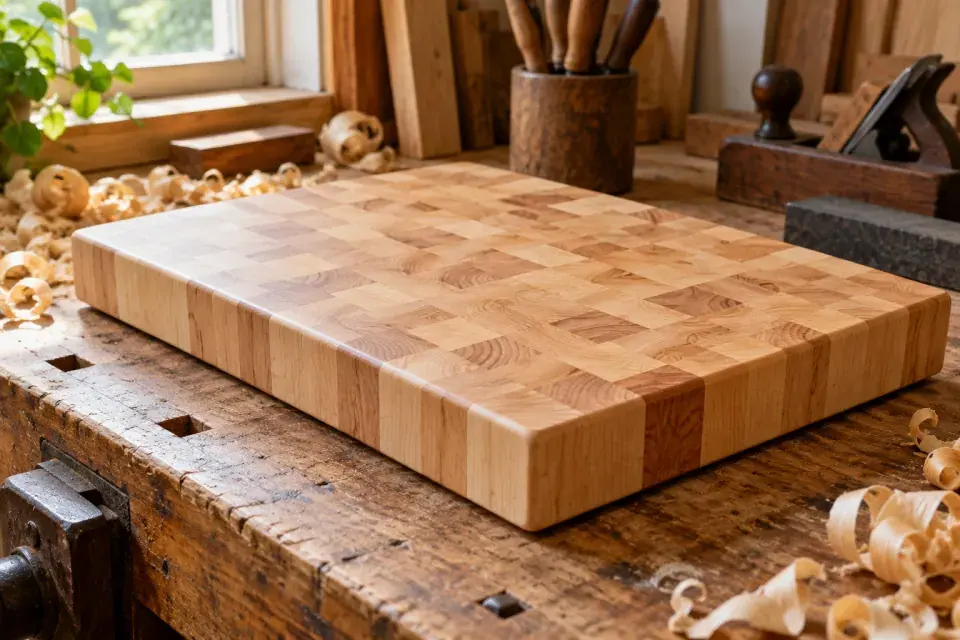
Cutting boards
Choose a durable, close-grained board that is easy to clean and kind to an edge.
Janka 700–1,800 lbf. The score favors hardness near 1,200 lbf (double weight) plus lower volumetric shrinkage.
Top: Iroko, Green ash, Black maple
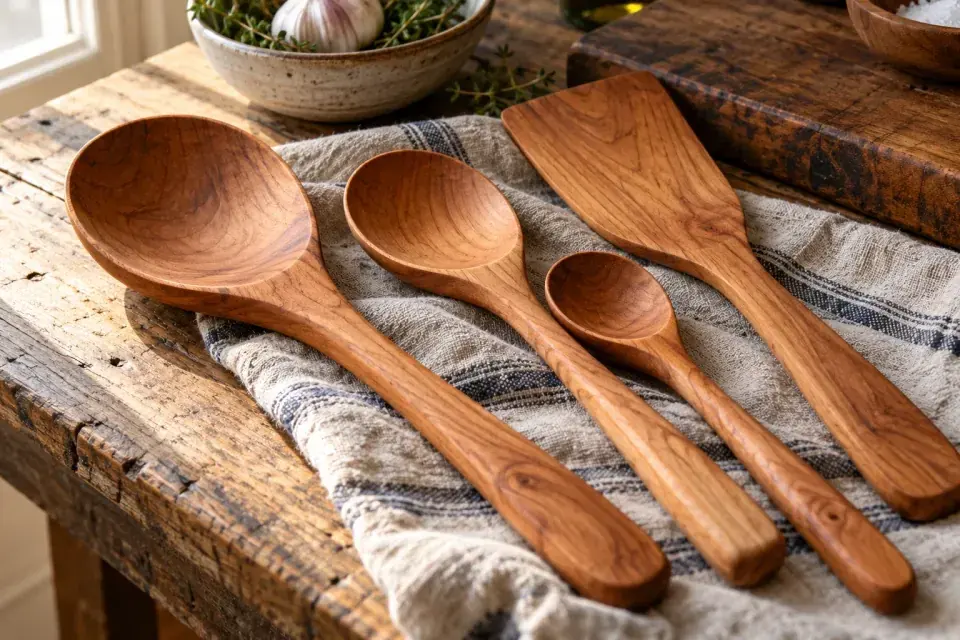
Cooking utensils and spoons
Balance comfortable carving, a fine grain, and repeated washing.
Janka 600–1,600 lbf. The score favors hardness near 1,000 lbf (double weight) plus lower volumetric shrinkage.
Top: Teak, Rubberwood, Black walnut
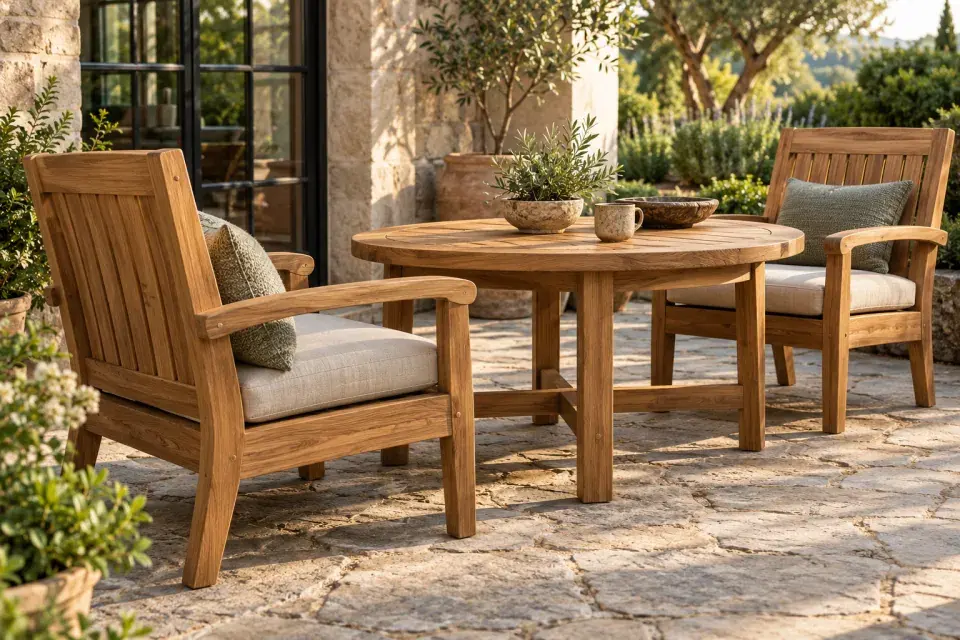
Outdoor furniture
Match decay resistance, movement, weight, and maintenance to the exposure.
Density at least 450 kg/m³. The score combines low volumetric shrinkage (double weight) with a low tangential-to-radial shrinkage ratio.
Top: Andaman Padauk, True mahogany, Cocobolo
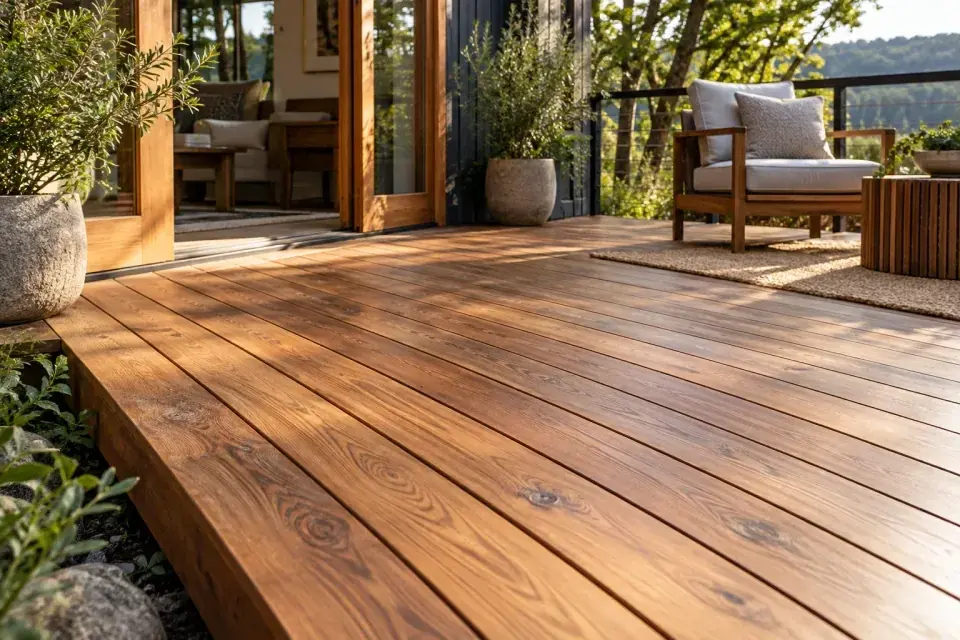
Decking
Choose a complete deck system, including suitable boards, spacing, and fasteners.
Bending strength at least 12,000 psi. The score combines Janka hardness divided by 4,000 and bending strength divided by 30,000.
Top: Ipe, Cumaru, Bubinga
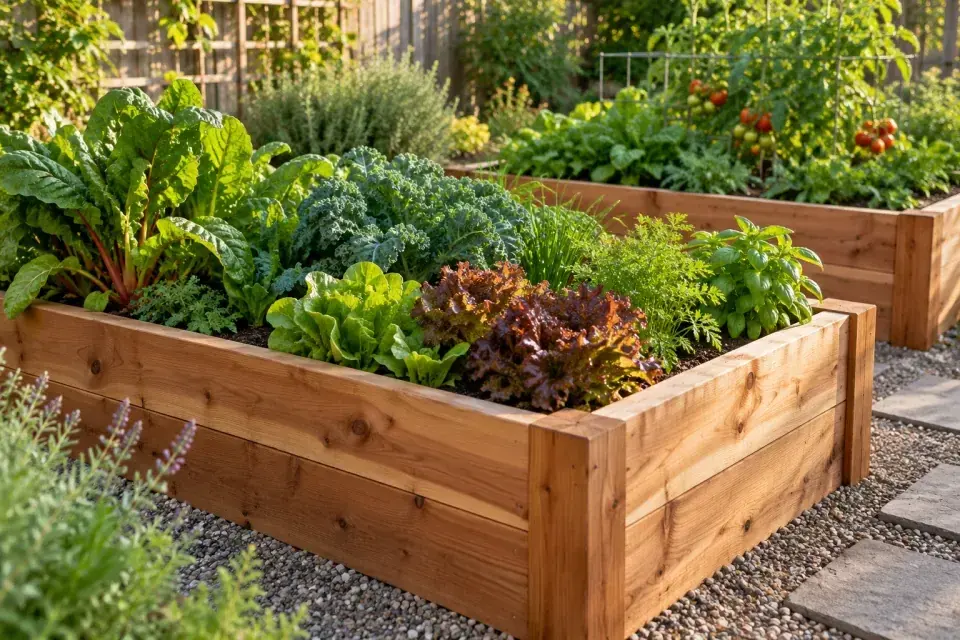
Raised garden beds
Prioritize ground-contact durability, reliable sourcing, and replaceable construction.
Density 320–750 kg/m³. The score combines low volumetric shrinkage (double weight) with density near 500 kg/m³.
Top: Old-growth redwood, Eastern redcedar, African mahogany
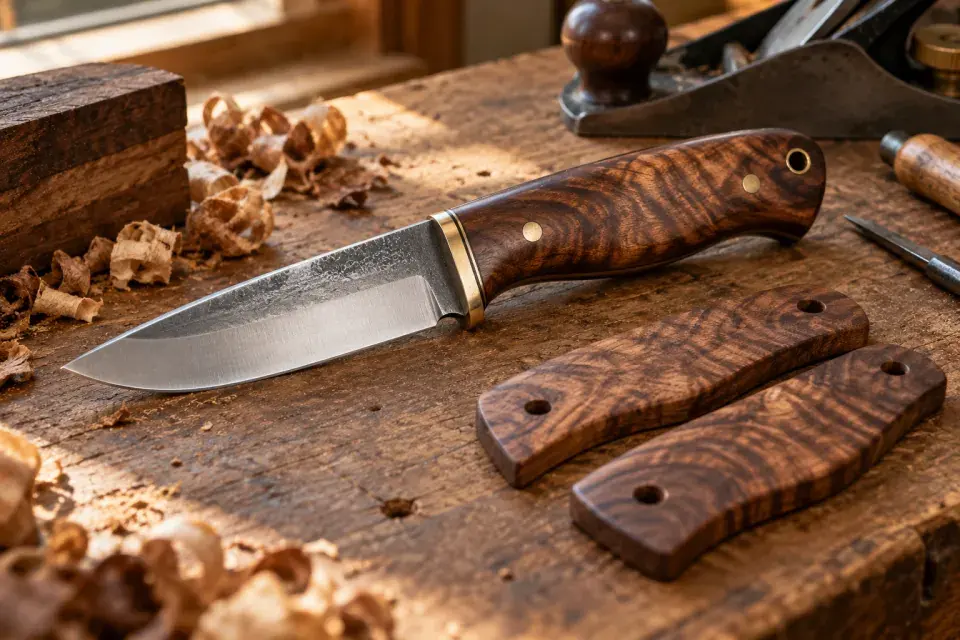
Knife handles and scales
Choose stable scales with sound grain and a secure bond to the tang.
Janka at least 1,400 lbf. The score combines hardness divided by 4,000 with lower volumetric shrinkage.
Top: Cocobolo, Indian rosewood, Ipe
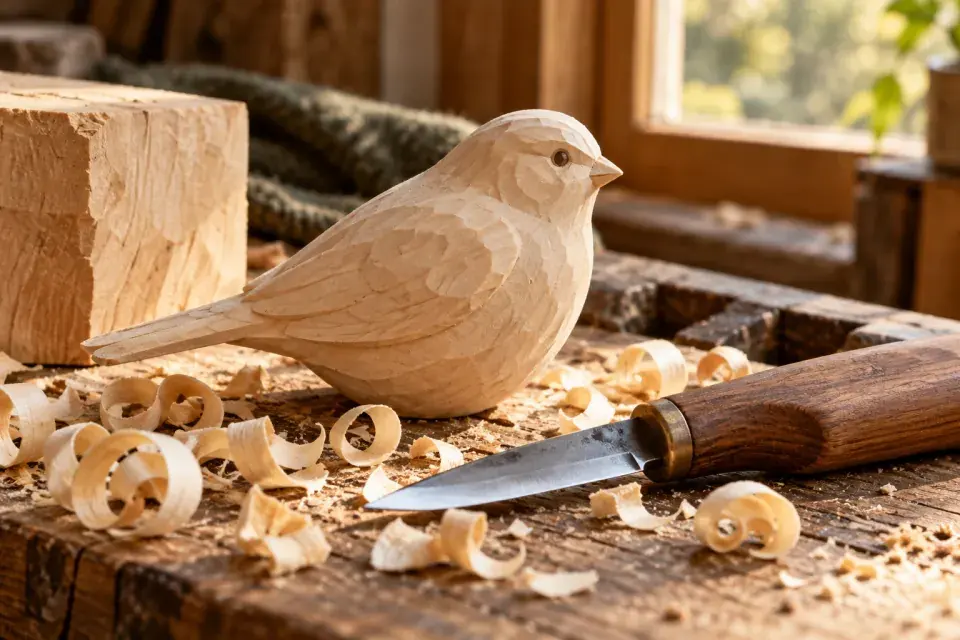
Carving and whittling
Start with clear, readable grain and match hardness to the tools and detail.
Janka 250–1,000 lbf. The score favors hardness closest to 500 lbf; values at 1,000 score zero and are excluded.
Top: Eastern hemlock, Baldcypress, Butternut
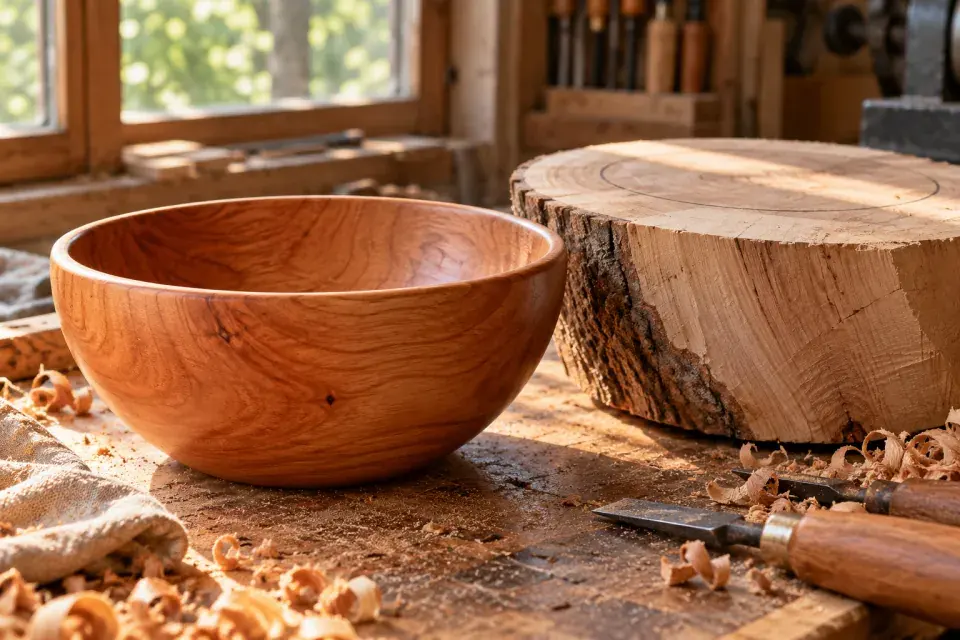
Turning bowls
Match the blank's grain, drying history, and defects to your bowl design.
Janka 600–2,200 lbf. The score favors a lower tangential-to-radial shrinkage ratio.
Top: Yellow birch, Andaman Padauk, Iroko
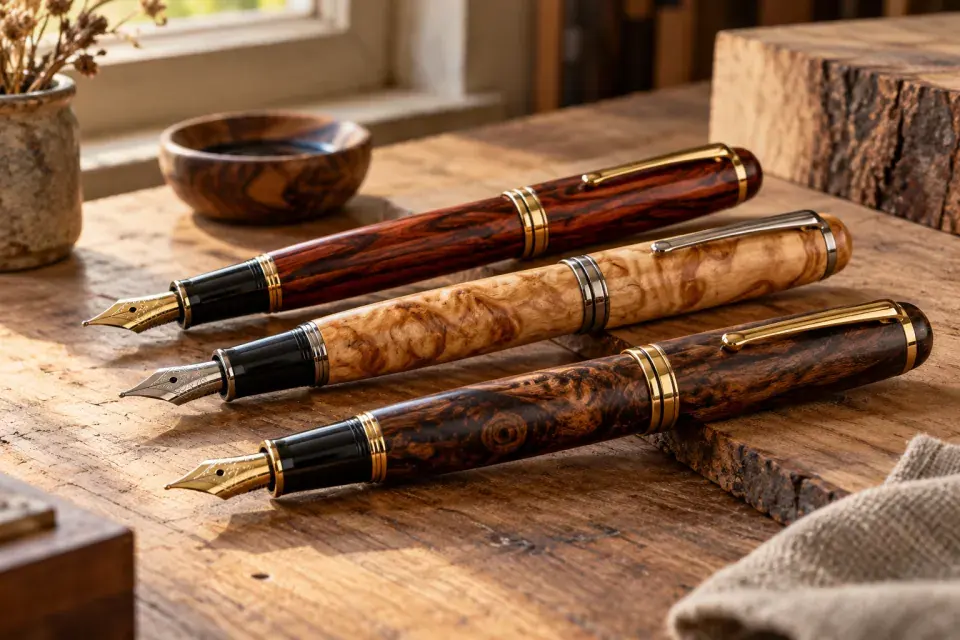
Turning pens
Look for sound small blanks that drill cleanly and survive thin walls.
Janka at least 1,600 lbf. The score combines hardness divided by 4,000 with density divided by 1,200.
Top: Cocobolo, Ipe, Cumaru
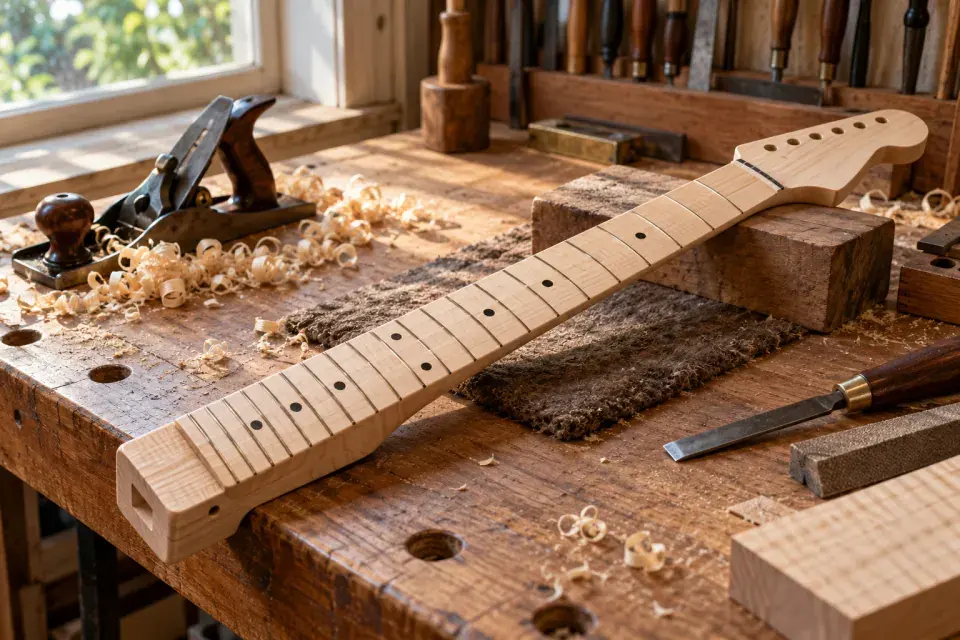
Guitar necks
Evaluate straight grain, stiffness, drying, and the complete neck design.
Density 450–850 kg/m³. Higher modulus of elasticity gives a higher score.
Top: Cherrybark oak, Merbau, Mockernut hickory
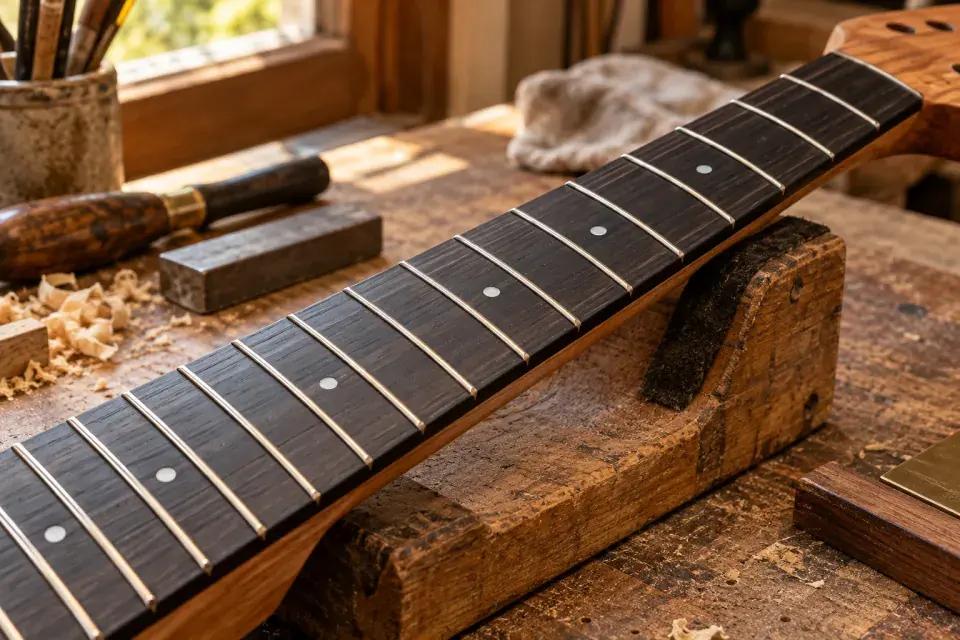
Guitar fretboards
Choose a stable, fine-textured board that machines precise fret slots.
Janka at least 1,700 lbf. The score combines hardness divided by 4,000 with lower volumetric shrinkage.
Top: Cocobolo, Indian rosewood, Ipe
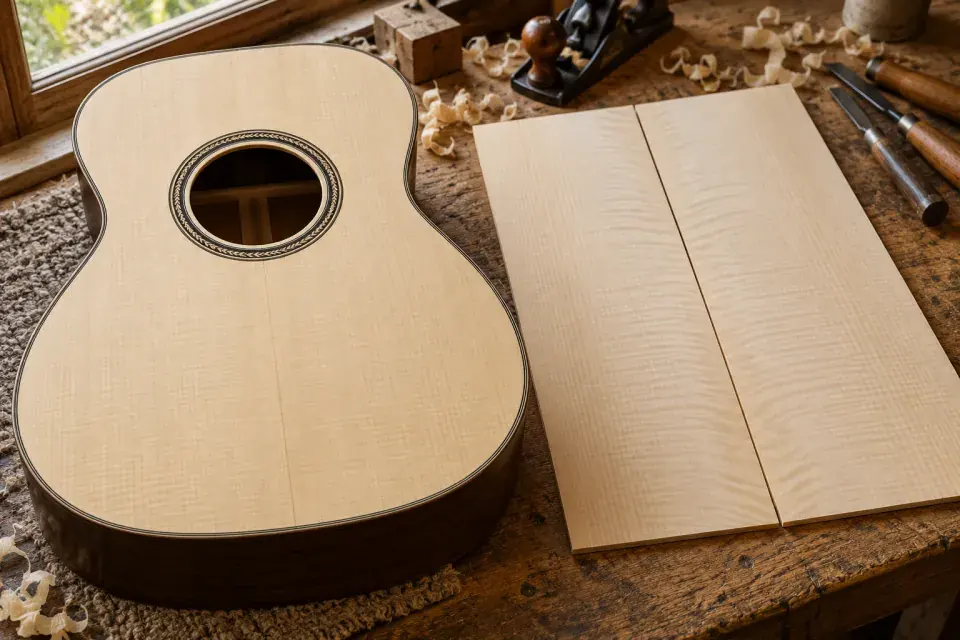
Guitar tops and soundboards
Compare spruce, cedar, and redwood, then judge the individual soundboard blank.
Density at most 600 kg/m³. The score is proportional to modulus of elasticity divided by density.
Top: Noble fir, Grand fir, Red spruce
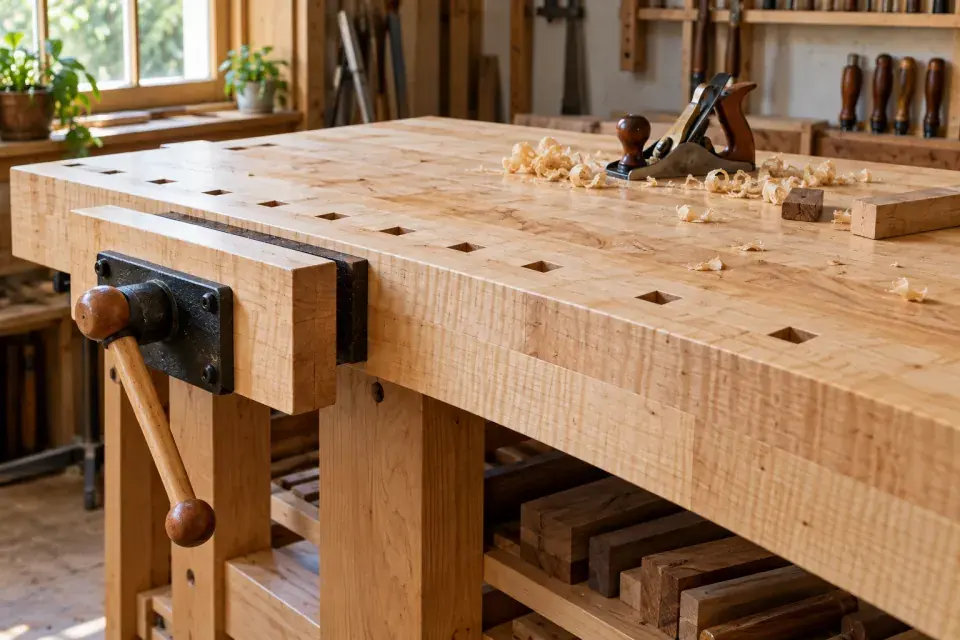
Workbench tops
Balance a flat, repairable work surface with mass and reliable workholding.
Janka at least 950 lbf. The score combines hardness divided by 4,000 and crushing strength divided by 15,000.
Top: Cumaru, Ipe, Indian rosewood
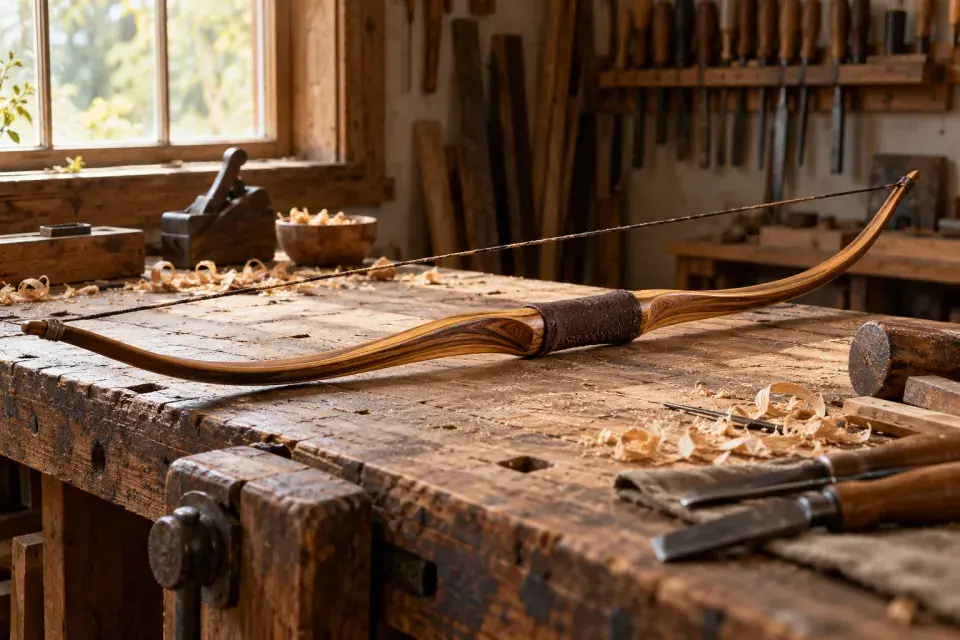
Bows
Start with a proven bow design and a sound stave with continuous fibers.
Density 550–950 kg/m³. Higher modulus of rupture gives a higher score.
Top: Bubinga, Shagbark hickory, Keruing
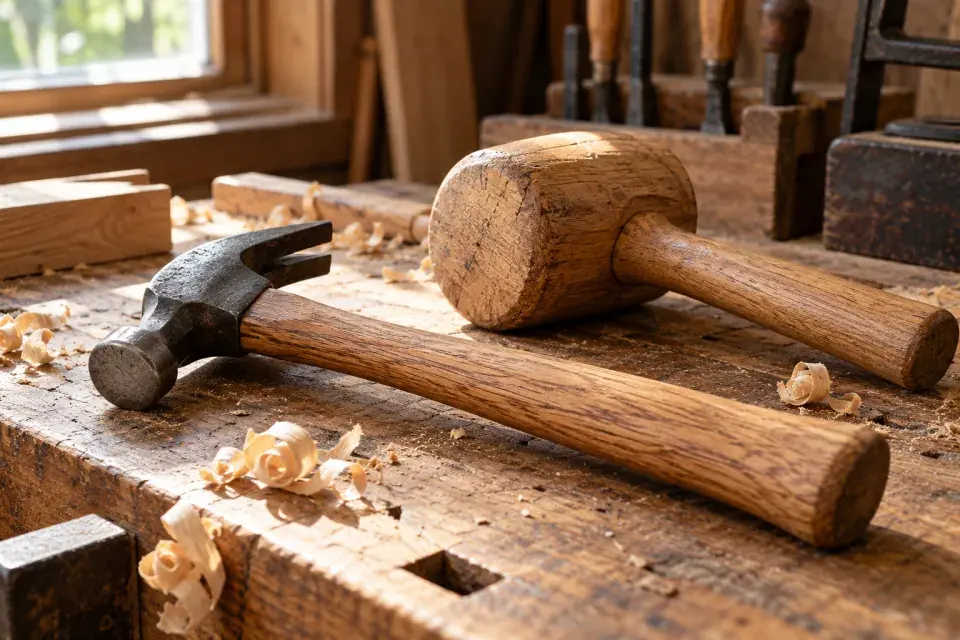
Tool handles and mallets
Prioritize straight grain, shock tolerance, grip, and a sound head fit.
Janka 900–2,400 lbf. Higher modulus of rupture gives a higher score.
Top: Shagbark hickory, Keruing, Mockernut hickory
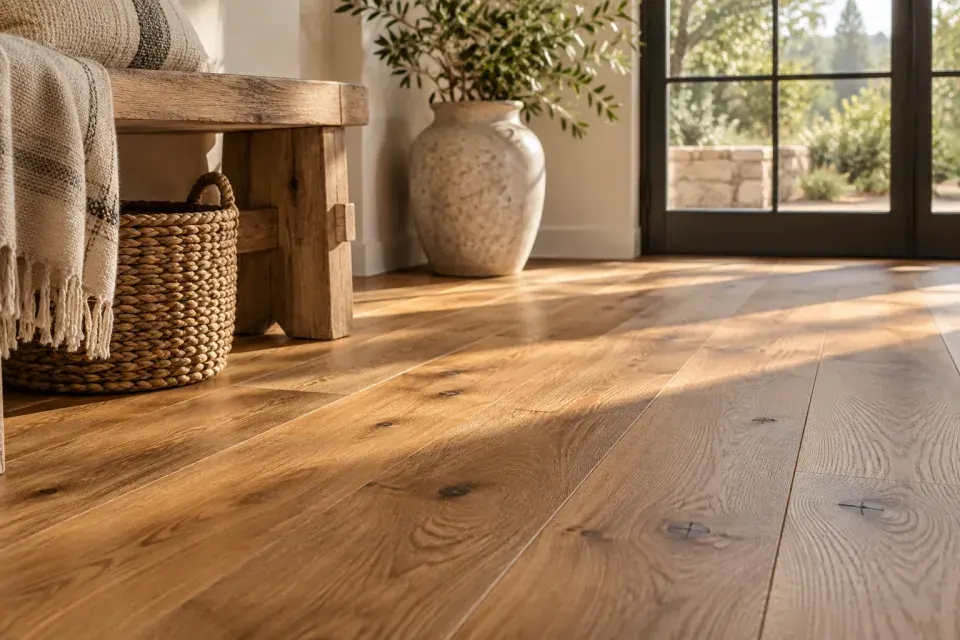
Flooring
Compare wear, movement, installation method, and the room's conditions.
The score combines Janka hardness divided by 4,000 with lower volumetric shrinkage at half weight.
Top: Cocobolo, Ipe, Indian rosewood
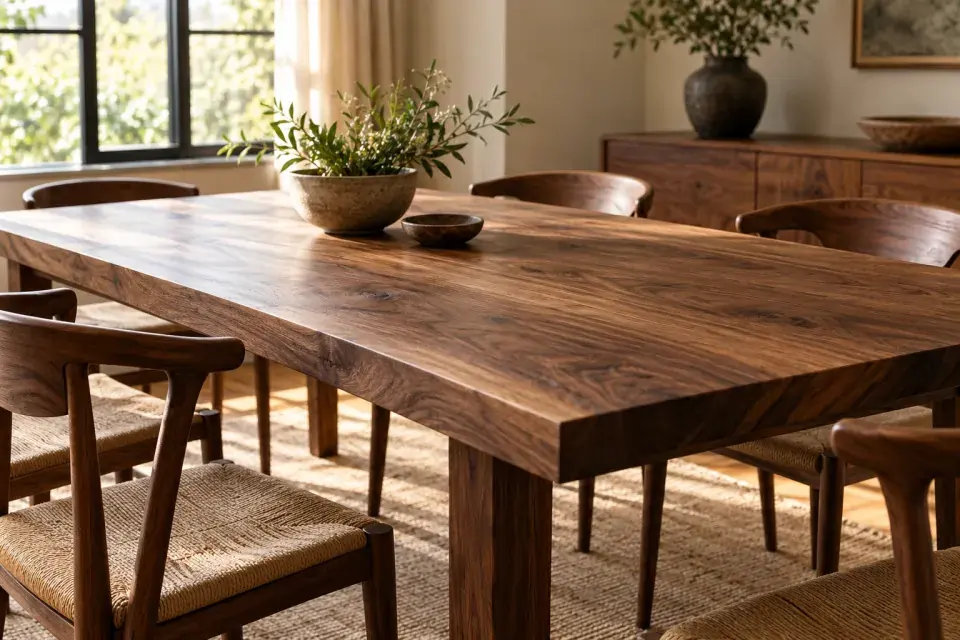
Furniture and dining tables
Choose for the parts, joinery, finish, and daily wear of the actual piece.
Janka at least 850 lbf. The score combines hardness near 1,300 lbf, low volumetric shrinkage, and a low tangential-to-radial shrinkage ratio.
Top: Iroko, Andaman Padauk, African Padauk
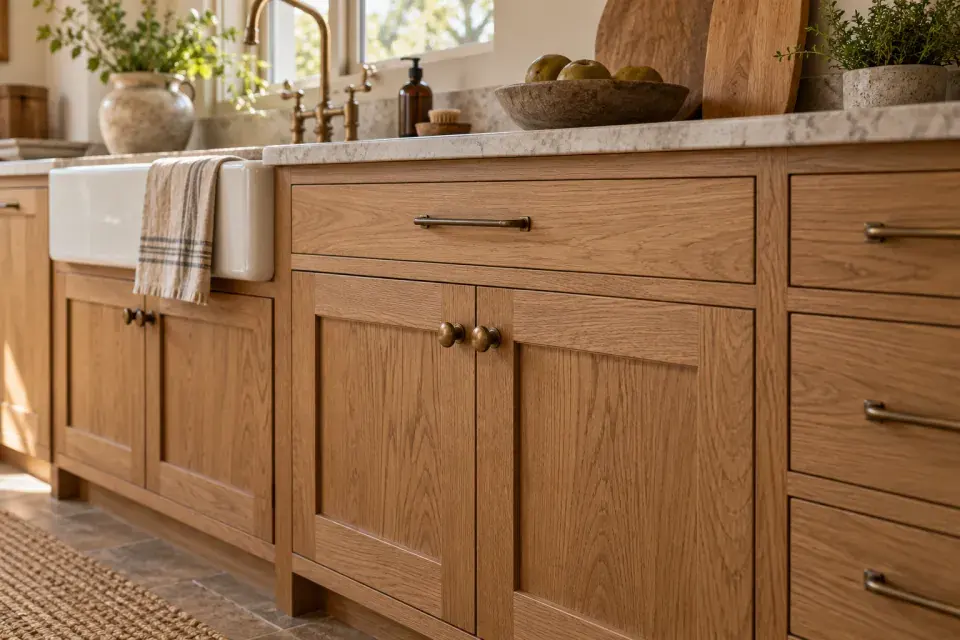
Kitchen cabinets
Match the face wood and panel construction to paint, clear finish, and daily use.
Janka 650–1,700 lbf. The score favors a lower tangential-to-radial shrinkage ratio.
Top: Yellow birch, Andaman Padauk, Iroko
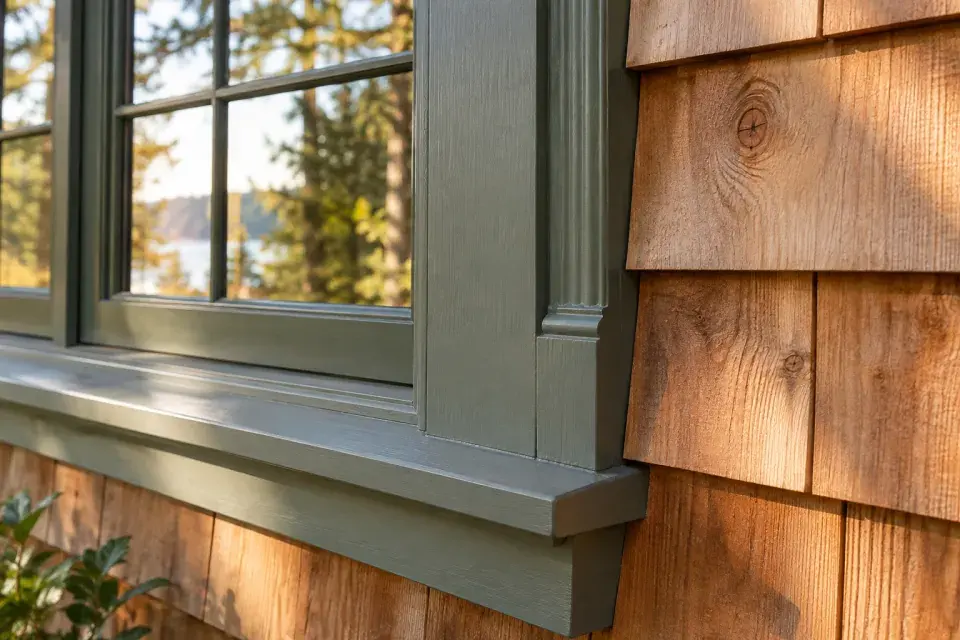
Exterior trim and siding
Prioritize durable stock, paint compatibility, drainage, and protected end grain.
Density at most 750 kg/m³. The score favors lower volumetric shrinkage.
Top: Old-growth redwood, Western redcedar, Teak
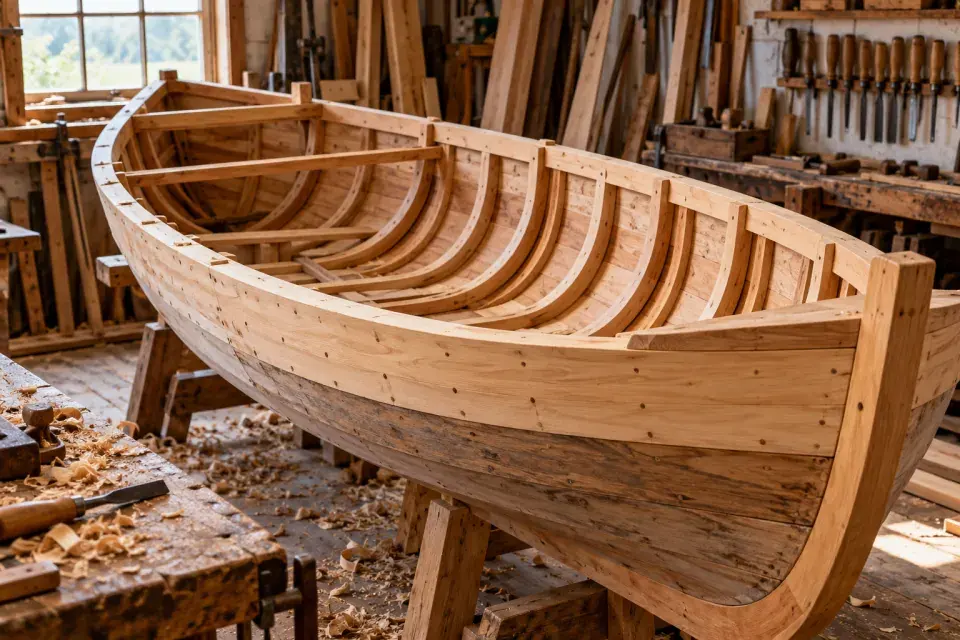
Boat building
Specify each boat part separately: planking, frames, spars, and brightwork differ.
Bending strength at least 10,000 psi. The score combines low volumetric shrinkage (double weight) with bending strength divided by 25,000.
Top: Merbau, Teak, Indian rosewood
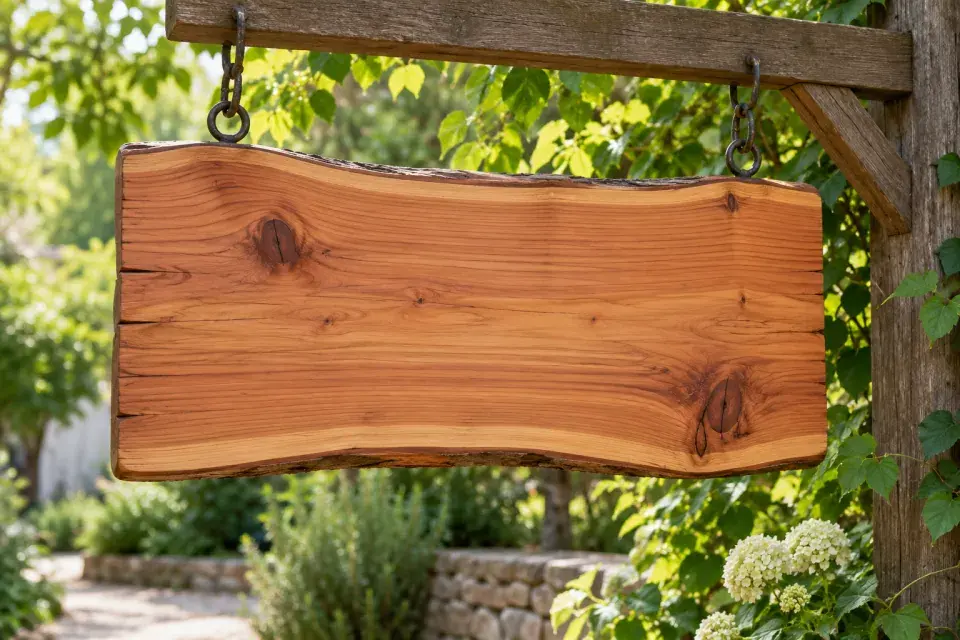
Outdoor signs
Select a stable carving surface and plan how rain leaves the finished sign.
Janka 350–1,300 lbf. The score favors lower volumetric shrinkage.
Top: Old-growth redwood, Western redcedar, Teak
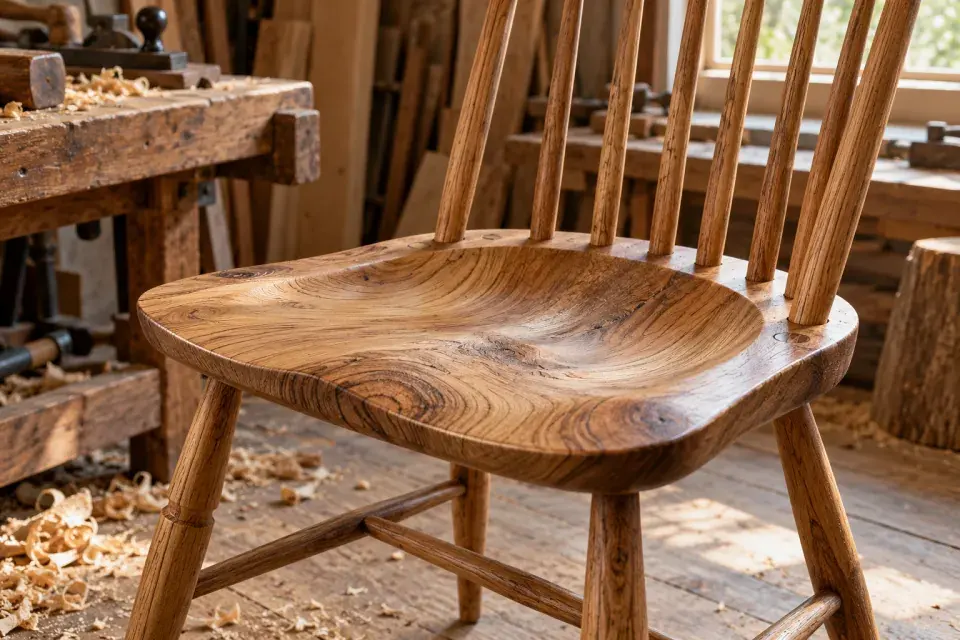
Chair seats
Choose clear grain for a scooped seat and match it to the chair's structure.
Janka 450–1,300 lbf. The score combines hardness near 800 lbf with bending strength divided by 25,000.
Top: Slash pine, True mahogany, Western larch

Desk tops
Balance a useful writing surface with movement allowance and realistic wear.
Janka at least 900 lbf. The score combines hardness near 1,400 lbf with lower volumetric shrinkage.
Top: Merbau, African Padauk, Andaman Padauk
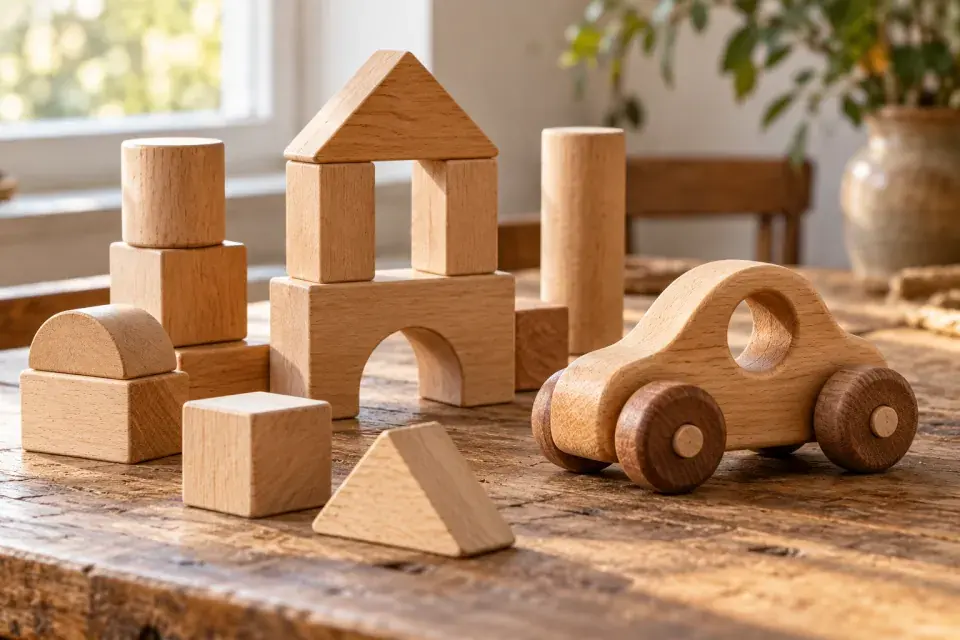
Children's toys
Choose sound fine-textured stock, then assess the complete toy for its intended age.
Janka 550–1,500 lbf. The score combines hardness near 950 lbf with lower volumetric shrinkage; it does not assess texture or toxicity.
Top: Rubberwood, Teak, Black cherry
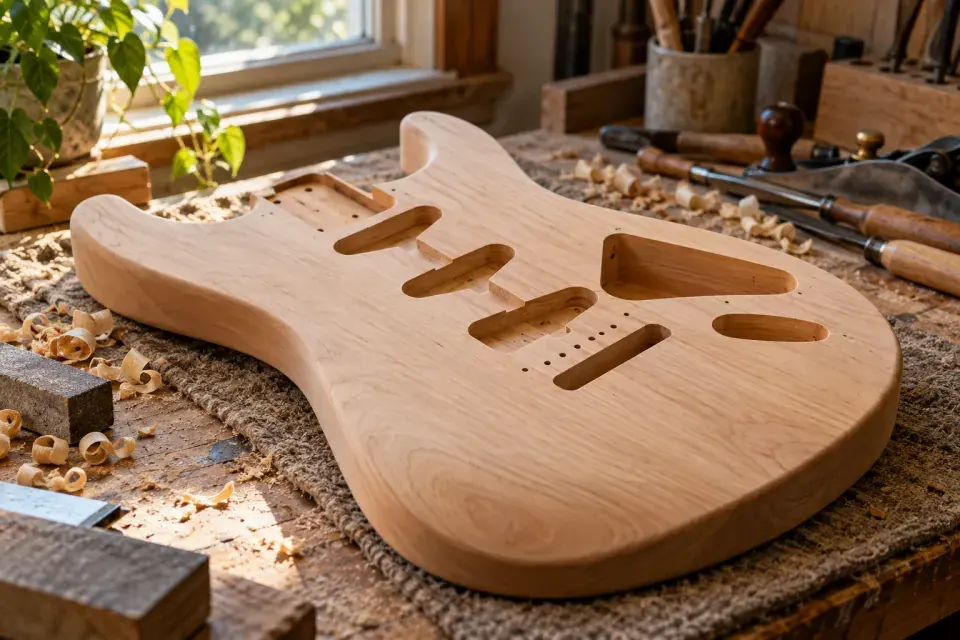
Instrument bodies
Plan body weight, balance, routing, and finish around the instrument design.
Density 380–720 kg/m³. The score combines density near 550 kg/m³ with lower volumetric shrinkage.
Top: Eastern redcedar, Rubberwood, African mahogany
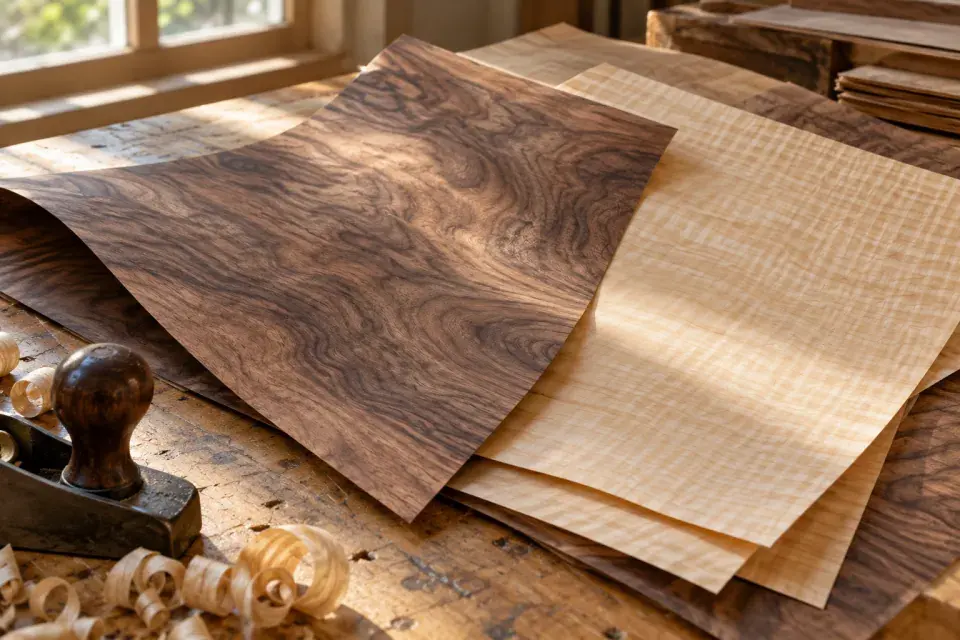
Veneer
Select the face for appearance and the whole panel for balance and stability.
Janka at least 1,100 lbf. The score combines hardness divided by 4,000 with density divided by 1,200.
Top: Cocobolo, Ipe, Cumaru
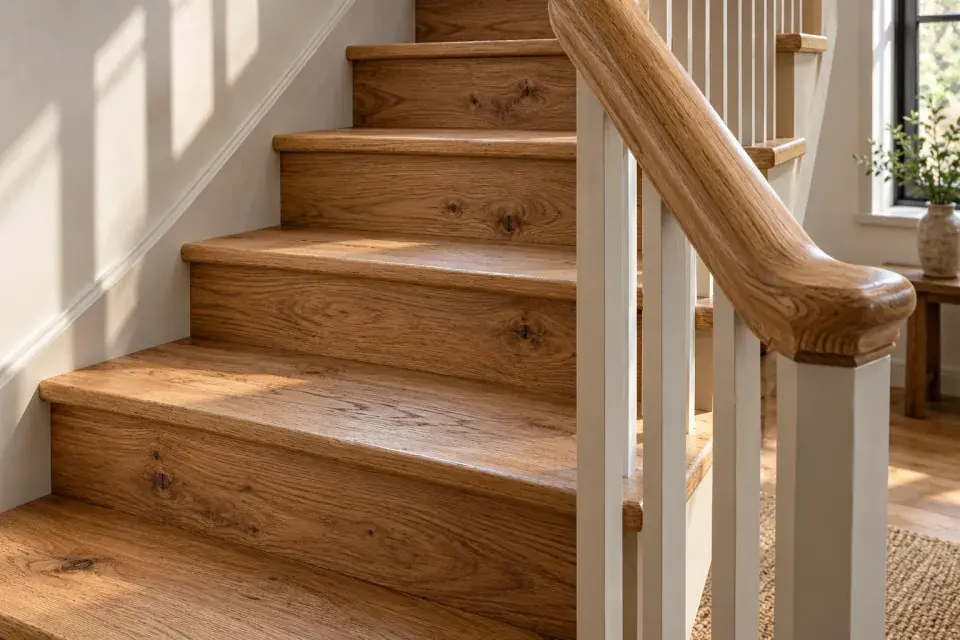
Stair treads
Evaluate the tread as a loaded component with suitable support and traction.
Janka at least 1,100 lbf and bending strength at least 13,000 psi. The score combines hardness divided by 4,000 with bending strength divided by 30,000.
Top: Ipe, Cumaru, Bubinga
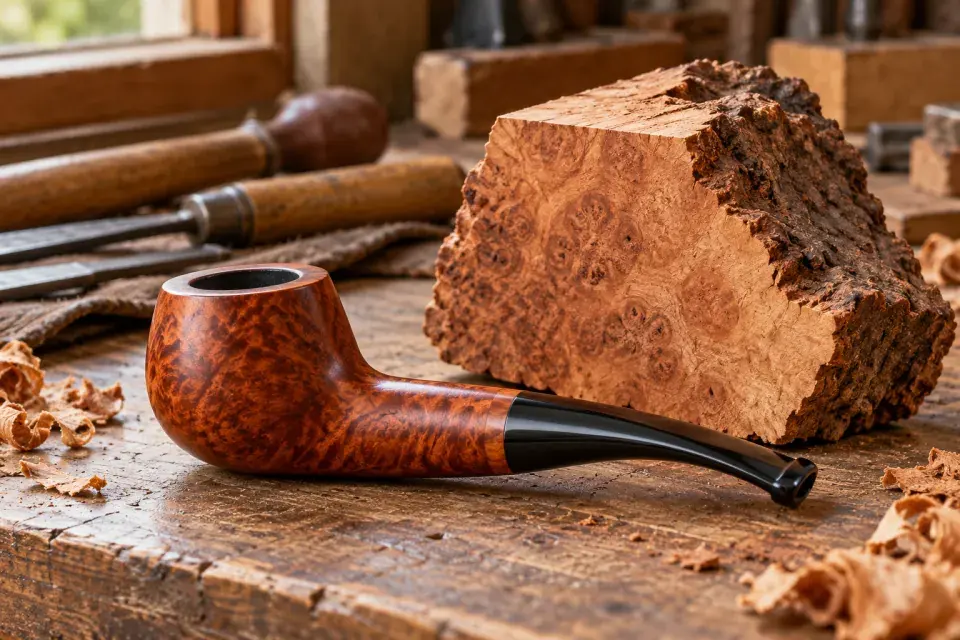
Smoking pipes
Separate traditional pipe materials from woods that merely rank well numerically.
Janka at least 1,200 lbf. The score combines low volumetric shrinkage (double weight) with hardness divided by 4,000; it does not assess heat resistance.
Top: Cocobolo, Indian rosewood, Andaman Padauk
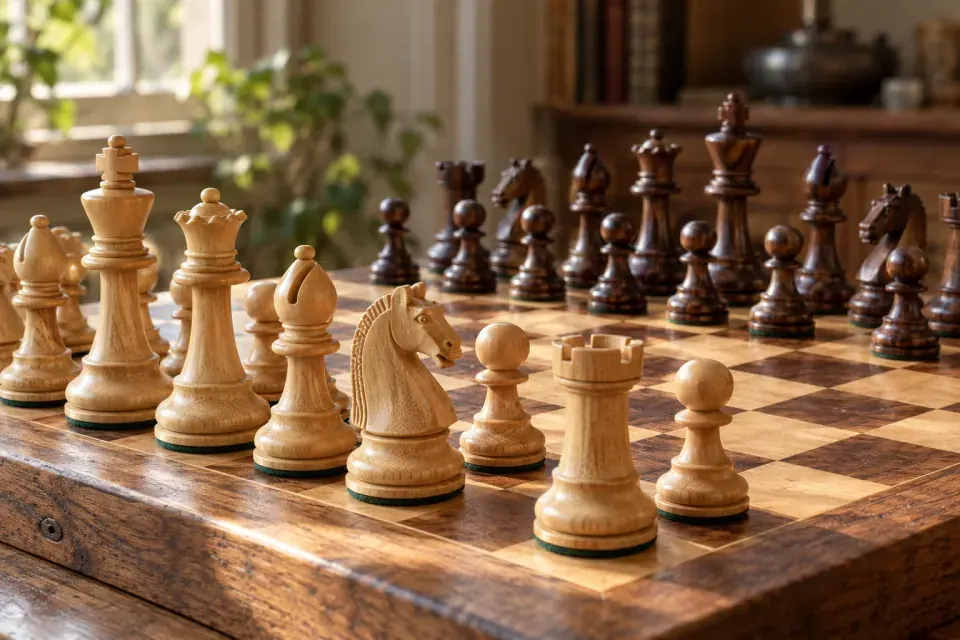
Chess pieces
Choose fine detail, balanced sets, and reliable contrast rather than density alone.
Janka at least 1,400 lbf. The score combines hardness divided by 4,000 with density divided by 1,200.
Top: Cocobolo, Ipe, Cumaru
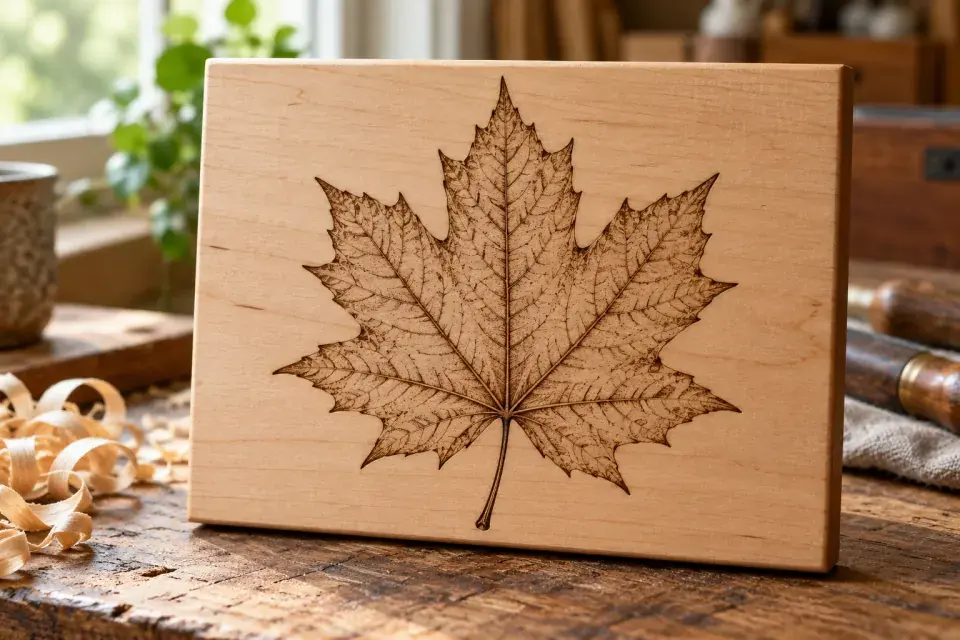
Laser engraving
Choose a known laser-compatible material and test contrast on the actual stock.
Density 380–720 kg/m³. The score combines density near 500 kg/m³ with hardness near 800 lbf; it does not assess color or resin content.
Top: Radiata pine, African mahogany, Bigleaf maple
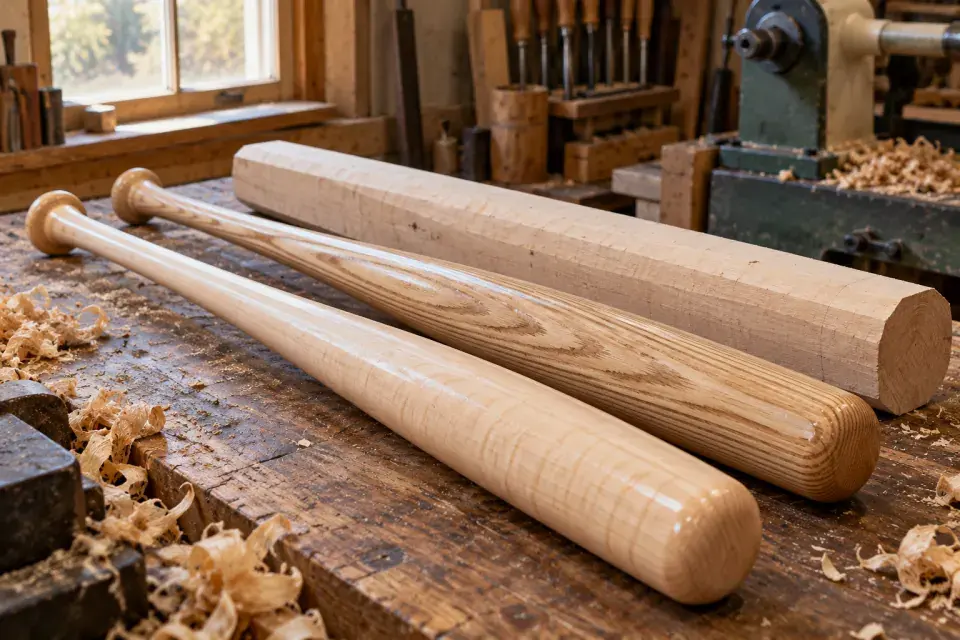
Baseball bats
Start with bat-grade stock and evaluate grain, finished weight, and the intended league.
Density 580–820 kg/m³. Higher modulus of rupture gives a higher score.
Top: Shagbark hickory, Mockernut hickory, Ramin